

Gaming immersion is no longer limited to sharper graphics, faster frame rates, or more detailed sound. In 2026, tactile interaction is becoming an increasingly important part of the gaming experience. Haptic technology allows players to physically feel events happening inside a digital world, from subtle environmental textures to powerful impacts and changing resistance in controls. Instead of simply seeing a character move across a screen, players can receive physical signals that reinforce what is happening.
For eurogamersonline players, this development is particularly interesting because haptic technology is expanding beyond basic controller vibration. Modern systems can create more precise sensations, differentiate between types of impacts, and adjust resistance according to gameplay situations. Sony’s DualSense remains one of the clearest examples, using dedicated actuators for detailed haptic feedback and adaptive triggers that can change resistance during supported games.
The next stage is likely to focus on making these effects more responsive, customizable, and widely supported. As developers become more comfortable designing tactile experiences, haptics could become an important part of how games communicate information.
What Makes Modern Haptic Feedback Different?
Traditional rumble is relatively simple. A motor spins or vibrates when something happens, creating a generalized sensation in the player’s hands. Modern haptic systems attempt to make that sensation more controlled and meaningful. Different frequencies, strengths, timings, and locations can be combined to create feedback that feels more closely connected to an in-game action.
This distinction matters because effective haptics should not feel like constant shaking. A well-designed system can communicate the difference between driving over gravel, firing a weapon, walking through heavy rain, receiving an impact, or interacting with a mechanical object. The objective is to make tactile feedback part of the game’s language rather than an effect added after the visual experience.
Adaptive triggers take the concept further by changing physical resistance. A racing game’s accelerator can feel different from a weapon trigger, while drawing a virtual bow can become progressively harder as the player pulls. This combination of vibration and resistance creates a richer connection between player input and digital actions.
Key Haptic Trends to Watch in 2026
Several developments could shape the next generation of tactile gaming.
- More precise actuator technology
- Adjustable haptic intensity and profiles
- Wider use of adaptive controls
- Better integration with PC gaming
- Haptic support in racing and simulation hardware
- More accessibility-focused tactile controls
- Greater customization through controller software
- Improved synchronization between audio, visuals, and touch
These trends suggest that haptic gaming is moving toward personalization. Players may increasingly be able to decide how strongly different effects are communicated instead of accepting one fixed feedback profile.
Adaptive Triggers Are Becoming More Sophisticated
Adaptive triggers have already demonstrated how physical resistance can improve immersion. However, the technology still has considerable room to develop. Future controllers could make trigger resistance more nuanced, allowing developers to represent several stages of an action instead of simply switching between resistant and non-resistant states.
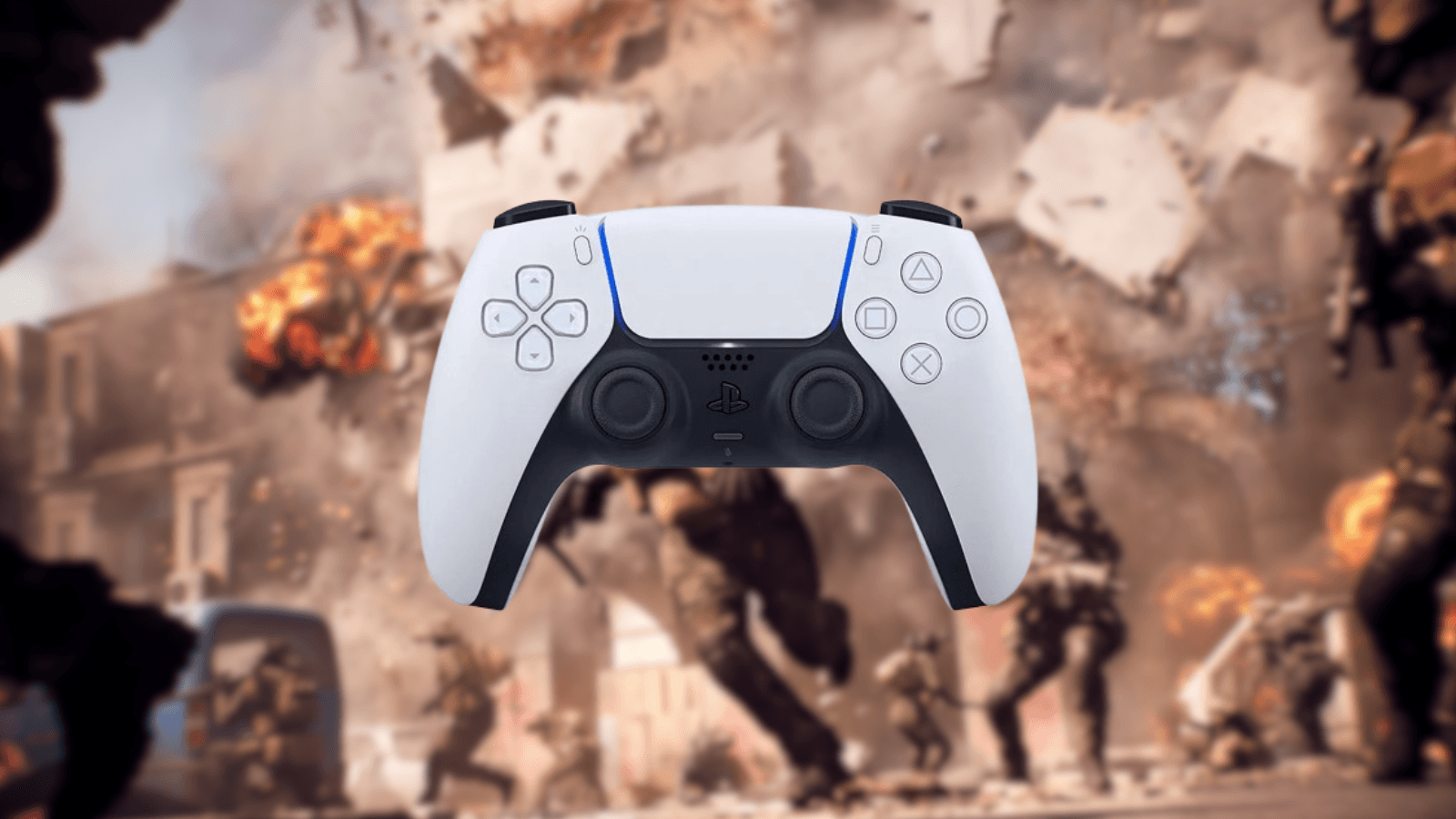
Imagine a survival game where a weapon trigger becomes progressively heavier as mechanical tension increases. A racing game could use different resistance patterns for braking, acceleration, or mechanical damage. In a stealth title, subtle trigger feedback could communicate whether a tool is ready to activate without requiring the player to look away from the screen.
This type of feedback can also support gameplay awareness. Players can receive information through their fingertips while keeping their attention on the environment. For eurogamersonline audiences interested in competitive or immersive gaming, that could make tactile design more than an entertainment feature.
Haptic Controllers Are Becoming More Customizable
Customization is another major direction. Modern gaming peripherals increasingly allow players to modify sensitivity, button assignments, trigger behavior, and feedback intensity. Recent controller developments show how manufacturers are combining advanced haptics with onboard customization, programmable controls, and adjustable input characteristics.
This could lead to controller profiles designed around specific genres. A player might prefer strong impact feedback for action games but lighter sensations for long strategy sessions. Competitive players may reduce unnecessary vibration while keeping subtle trigger feedback that provides useful information.
A customizable approach could make haptics more practical for different gaming styles.
| Haptic Feature | Potential 2026 Benefit | Best-Suited Gaming Style |
|---|---|---|
| Variable vibration | More detailed environmental feedback | RPG and adventure |
| Adaptive triggers | Physical resistance during actions | Racing and action |
| Adjustable intensity | Personalized comfort | Long gaming sessions |
| Directional feedback | Better awareness of events | Shooters and survival |
| Programmable profiles | Genre-specific control | Multi-genre players |
| Advanced actuators | More realistic sensations | Immersive single-player games |
Haptics Could Become More Important for Racing Games
Racing is one of the genres with the clearest opportunities for advanced tactile feedback. Driving already involves physical sensations in the real world, including road texture, braking forces, engine behavior, and tire movement. Translating some of those sensations into gaming hardware can make virtual driving feel more responsive.
Controllers can provide resistance when braking or accelerating, while steering wheels and pedals can communicate road conditions through force feedback. More advanced systems may combine these technologies with additional tactile effects in seats, hand controls, and other peripherals.
For racing enthusiasts, the goal is not simply stronger feedback. Precision is more important. A weak but accurate sensation that indicates tire slip can be more useful than an extremely powerful vibration that communicates nothing specific.
As simulation hardware improves, developers may also experiment with synchronized tactile signals that respond dynamically to vehicle speed, surface type, collisions, and mechanical conditions.
The PC Haptic Experience Is Expanding
One of the biggest challenges for haptic gaming has traditionally been software support. A controller can contain impressive hardware, but players only receive its full benefit when games are programmed to use those capabilities.
PC gaming demonstrates this issue clearly. DualSense haptic feedback and adaptive triggers are supported in selected PC games, but compatibility varies, and certain features can require a wired USB connection.
That means the future of PC haptics depends partly on better standardization. If more games support advanced tactile features automatically, manufacturers can create hardware with greater confidence that users will actually experience its capabilities.
This is an area eurogamersonline players should monitor closely because PC gaming’s flexibility makes it an ideal environment for experimentation. Open ecosystems can encourage competing manufacturers to develop different actuator designs, control systems, and software profiles.
Haptics and Accessibility Could Grow Together
Haptic technology also has applications beyond immersion. Tactile signals can potentially help players receive information without relying entirely on visual or audio cues. Carefully designed feedback could communicate an incoming event, directional information, confirmation of an interaction, or changes in game state.
Accessibility-focused gaming has already demonstrated the value of customizable controls. Future haptic systems could allow users to determine which signals matter to them and how those signals are delivered.
For example, a player could assign a specific tactile pattern to an important warning while reducing less useful effects. Another player might prefer stronger directional feedback to help interpret events occurring outside the center of the screen.
The important principle is flexibility. Haptic technology should give players additional ways to understand and interact with games rather than forcing everyone to experience the same intensity.
Haptic Feedback Could Move Beyond Controllers
The controller is currently the most familiar home for gaming haptics, but it may not remain the only one. Gaming chairs, vests, steering wheels, pedals, gloves, and other peripherals can potentially deliver tactile signals.
A racing setup might combine wheel feedback with pedal resistance and seat vibrations. A virtual reality system could use wearable feedback to reinforce contact or environmental interactions. A gaming chair could synchronize low-frequency sensations with explosions or major environmental events.
These systems could eventually work together as a coordinated tactile layer. Instead of one device vibrating independently, multiple pieces of hardware could respond to the same event with carefully synchronized signals.
However, more hardware does not automatically mean a better experience. Developers and manufacturers will need to avoid overwhelming players with excessive feedback. Good haptic design should prioritize meaningful information, timing, and realism.
Artificial Intelligence May Improve Haptic Personalization
Artificial intelligence could also influence how tactile effects are generated and adjusted. Instead of relying entirely on manually created feedback profiles, future systems might analyze gameplay and player preferences to recommend or automatically adjust settings.
A system could identify that a player consistently lowers vibration during long sessions and create a lower-intensity profile. It could also recognize different game genres and switch between appropriate feedback configurations.
AI-assisted development could help studios create tactile effects more efficiently as well. Rather than manually designing every small vibration pattern, development tools might help generate basic tactile responses that designers can refine.
This does not mean human design becomes unnecessary. The best haptic experiences will still depend on creative decisions about timing, intensity, and context. AI could simply reduce repetitive work and make sophisticated feedback more practical for smaller development teams.
What Players Should Look for in Haptic Hardware
Buying a controller purely because it advertises “haptic feedback” can be misleading. The quality of the experience depends on hardware, software support, ergonomics, and customization.
Before choosing a haptic device, players should consider:
- Game compatibility: Check whether favorite games actually support advanced haptic functions.
- Connection options: Some advanced features may work differently over wired and wireless connections.
- Adjustment controls: Look for software or hardware options that allow feedback intensity to be changed.
- Comfort: Stronger feedback is not useful if the controller becomes uncomfortable during long sessions.
- Trigger customization: Adjustable resistance can be valuable for different genres.
- Platform support: Confirm compatibility across PC, console, mobile, or other devices.
- Firmware support: Regular updates can improve functionality and compatibility.
- Input quality: Haptics should complement accurate sticks, buttons, and triggers rather than compensate for weak controls.
Why 2026 Could Be an Important Year for Haptic Gaming
The technology has already moved beyond the experimental stage, but 2026 could represent an important period of refinement. Current controllers demonstrate that detailed haptic effects can become a practical part of mainstream gaming. Newer products are also combining tactile feedback with features such as magnetic sensors, programmable controls, onboard software, and highly customizable profiles.
The next challenge is consistency. Players need games that support these features, hardware that communicates reliably with software, and interfaces that make customization simple.
If those pieces develop together, haptics could become less of a premium novelty and more of a standard design consideration. That would benefit both casual players looking for immersion and enthusiasts who want greater control over their gaming experience.
For eurogamersonline players, the most exciting part is that haptic technology can improve gaming without requiring every improvement to come from graphics. A game can look familiar while feeling substantially different when tactile information is designed effectively.
The Future of Gaming May Be Felt as Much as Seen
Haptic technology is gradually changing the relationship between players and their games. Traditional controllers translated physical movement into digital input, while modern systems increasingly create a two-way interaction: players control the game, and the game responds physically. That evolution opens interesting possibilities for action games, racing simulations, horror experiences, role-playing adventures, accessibility tools, and virtual reality. More advanced actuators, adaptive controls, personalized profiles, and connected peripherals could make tactile feedback increasingly precise.The key will be thoughtful implementation. The strongest haptic experience will not necessarily be the one with the most vibration or the strongest resistance. It will be the one that communicates useful information at exactly the right moment.